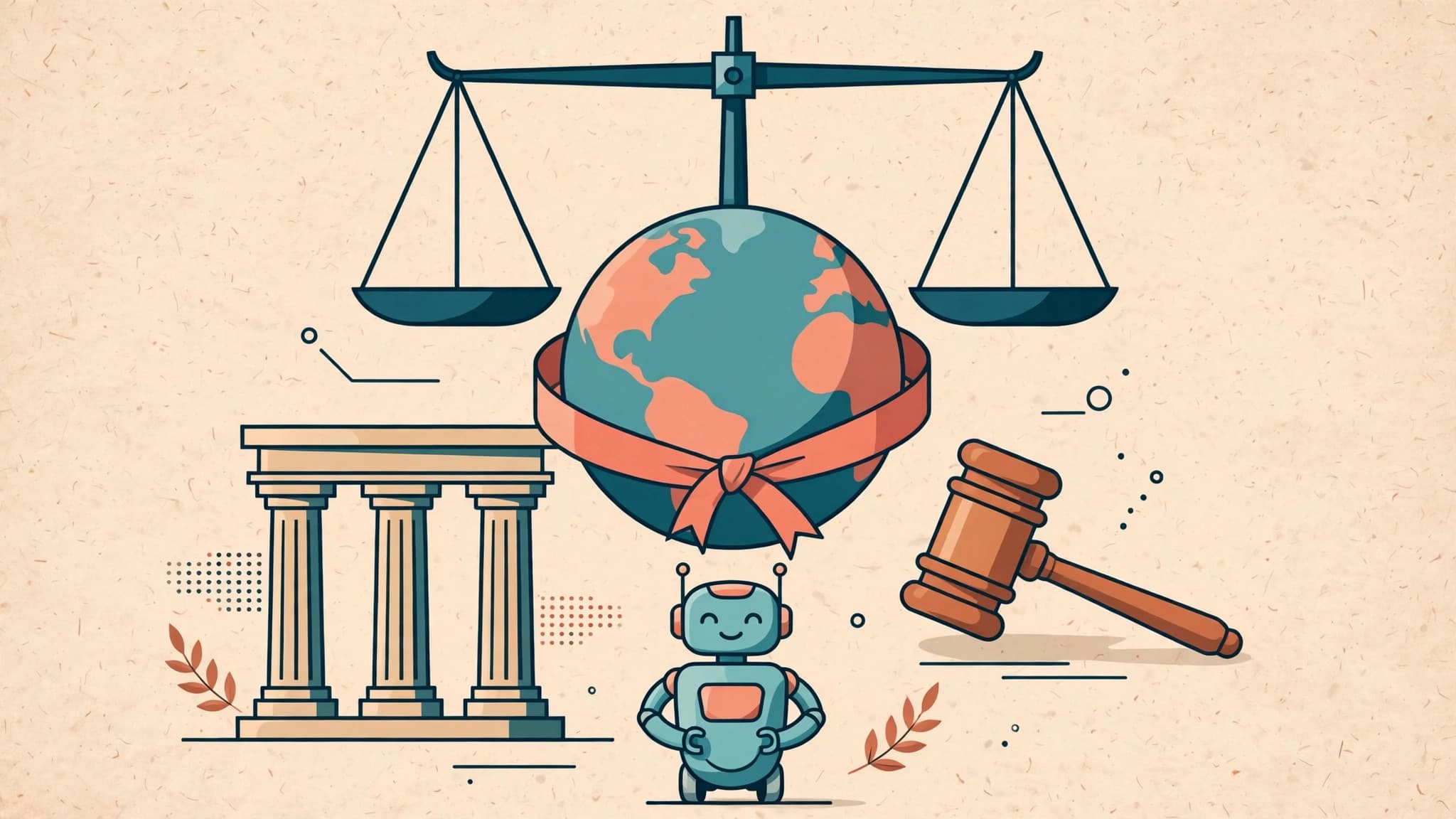
AI moved faster than the laws around it, and now governments are catching up — each in their own way. Here is the world map, simplified.
Why regulate at all
Three concerns drive it: safety (AI in critical decisions), fairness (biased systems harming real people), and power (who controls transformative technology). Reasonable people disagree on the balance, which is why approaches differ.
The EU: rules by risk level
Europe has taken the most comprehensive approach: obligations scaled to risk. Minimal-risk uses face little burden; high-risk uses — like AI in hiring, education grading, or law enforcement — face strict requirements around transparency, testing, and human oversight.
The US: sectoral and market-led
The United States has leaned on existing laws, agency guidance, and voluntary commitments from big labs rather than one sweeping AI law. The result is faster movement with patchier coverage — a deliberate trade-off.
The rest of the world
Approaches vary widely: some countries are drafting their own frameworks, others are watching and adapting. For students in Pakistan and similar markets, the practical point is that global norms increasingly shape what multinational employers and platforms require.
What it means for you
Regulation creates careers: AI auditing, safety evaluation, policy-adjacent engineering, and compliance-aware product work are all growing. Understanding the landscape — not just the code — is becoming part of being a well-rounded technologist.
The honest debate
Too little regulation risks real harm; too much risks entrenching incumbents who can afford compliance while startups cannot. There are no settled answers yet — which is exactly why students should follow the conversation, not just the technology.