Most study plans die by Wednesday. Not because students are lazy, but because static plans cannot survive dynamic weeks. Here is a workflow that uses AI for what it is good at — drafting and reorganizing — while keeping you in charge.
Why static plans fail
A plan made on Sunday assumes a perfect week. Real weeks contain surprise quizzes, family obligations, and days your brain refuses to cooperate. The fix is not more discipline; it is a plan cheap enough to rebuild every week.
Step 1: Dump everything in
Paste your syllabi, assignment list, and exam dates into the AI in one go. Include credit hours or difficulty if you know them. The AI needs the full picture — a plan built on half your courses is worse than none.
Step 2: Generate the draft
Ask for a week-by-week plan working backward from exam dates, with heavier topics earlier. Specify your available study hours per day honestly — this is where most plans go wrong, built on fantasy schedules.
Step 3: Add your real constraints
Now layer in reality: "I work Fridays," "I am useless after 10 PM," "Chemistry needs double time." Ask the AI to revise. This step separates a useful plan from a decorative one.
Step 4: The weekly 15-minute review
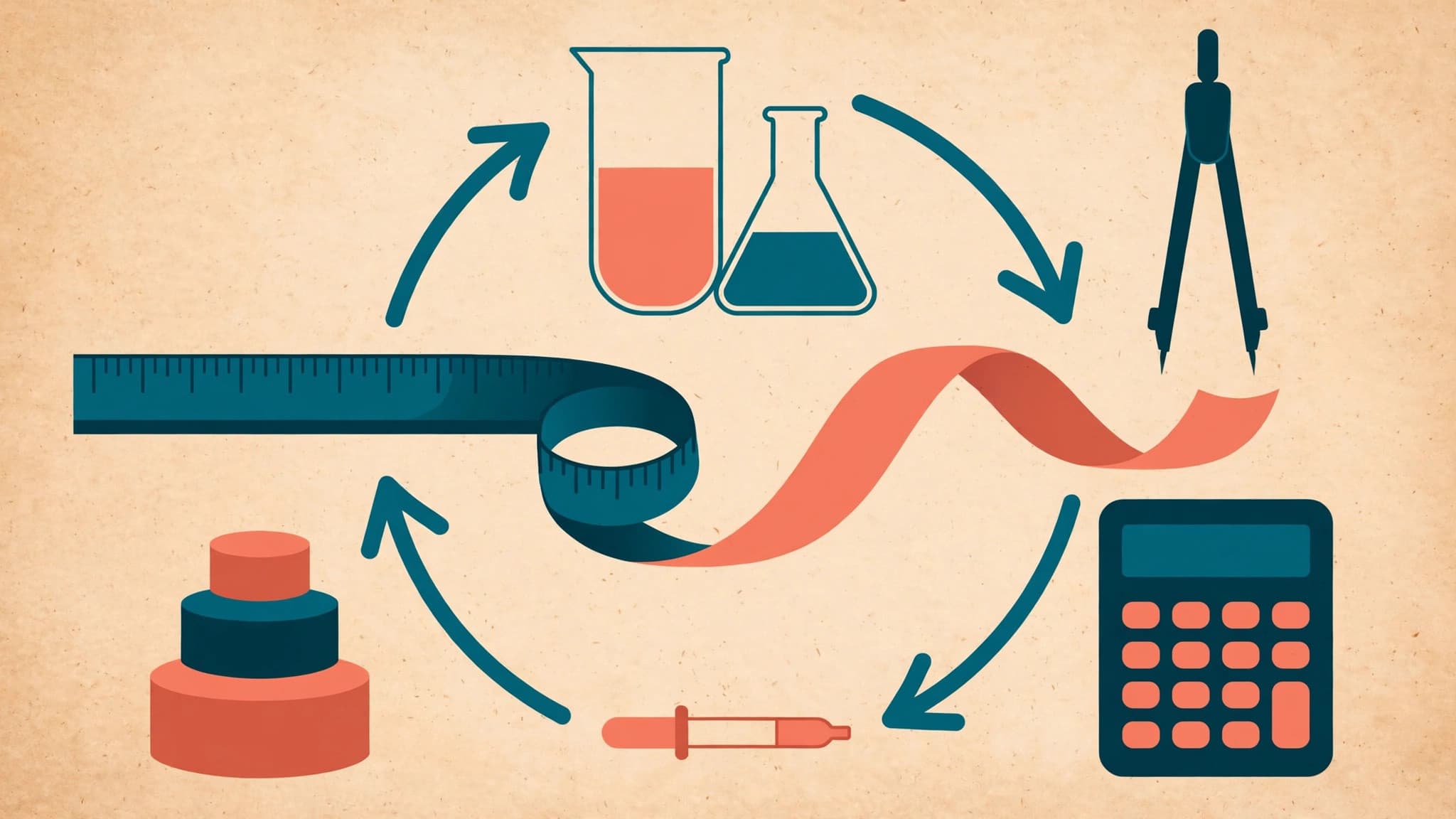
Every Sunday, report what actually happened and ask for next week's revision. This loop — plan, execute, review, replan — is the entire system. The AI does the arithmetic of rescheduling; you supply the judgment.
Making it stick
Keep the current week visible — a note on your phone, a paper on your wall. A plan you cannot see in five seconds does not exist.
What AI cannot plan for you
It cannot know you are burned out, or that one subject secretly terrifies you. When the plan feels wrong, trust the feeling and adjust. You are the manager; the AI is the assistant. That division of labor is what makes the system survive contact with real student life.