Pakistan's money is going digital fast — mobile wallets at every shop, bank apps replacing branch visits. For students, understanding the landscape early pays off in convenience and safety.
The landscape
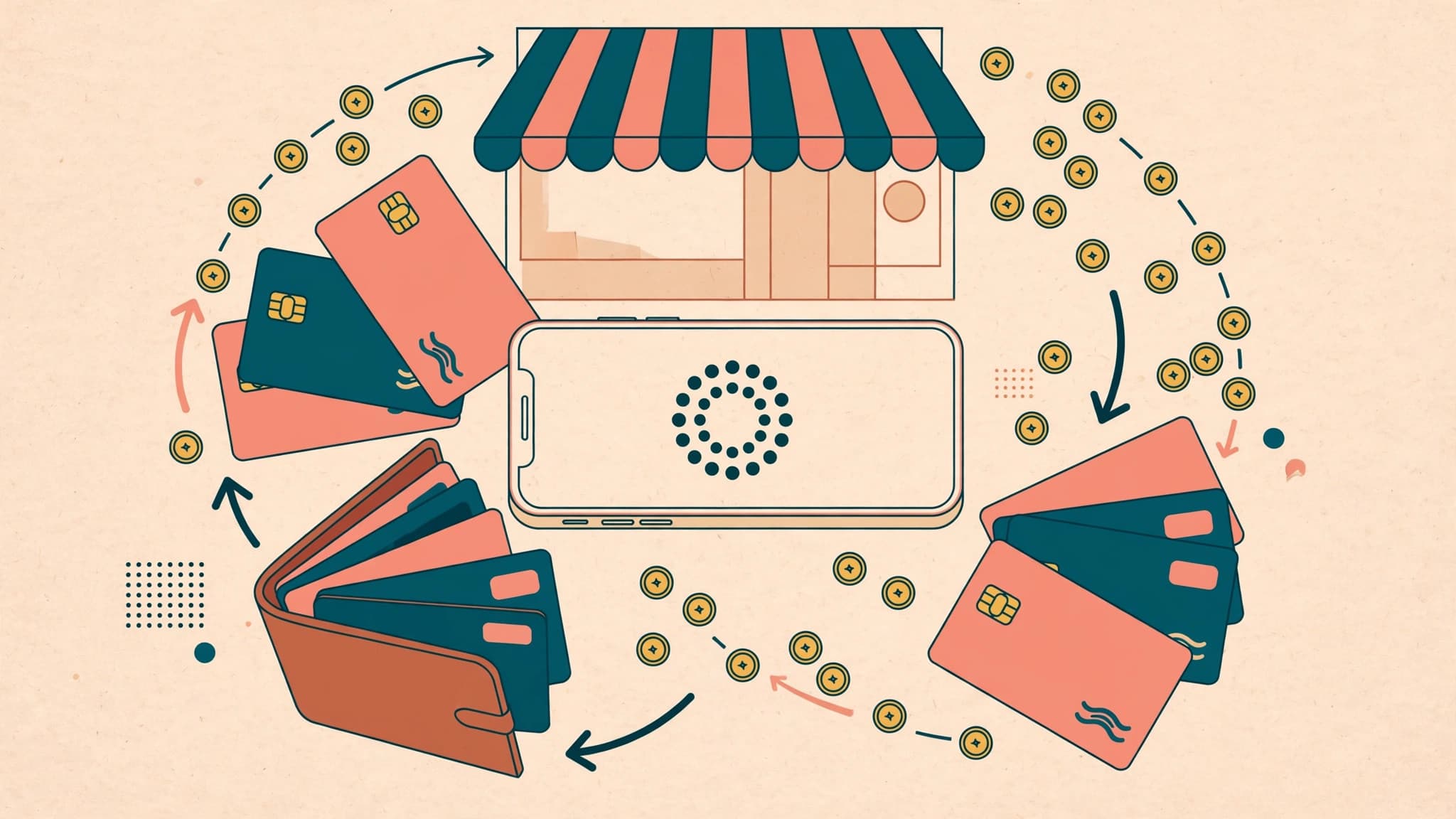
Three main rails move consumer money: mobile wallets (telco-led accounts usable without a traditional bank), bank mobile apps, and debit cards. They overlap heavily — most students end up using a combination.
Mobile wallets
Wallets let you send and receive money, pay bills, and buy mobile load with just a phone number and CNIC verification. They are the easiest on-ramp: no bank account needed, agents everywhere for cash-in. Limits are tiered by verification level.
Bank apps
If you have a bank account — and as a freelancer or future employee you will — the bank's app handles transfers, bill payments, and statements. Asaan/mobile accounts have made opening one far simpler than it used to be.
Cards
Debit cards work for online shopping and ATMs. For international online payments, options are more limited and worth researching before you need them — do not discover this the night before a domain renewal.
Safety habits
Your OTP is the key to your money: no legitimate caller, agent, or "bank officer" ever needs it. Scammers impersonate helplines routinely. When in doubt, hang up and call the official number yourself.
For future freelancers
Domestic fluency with digital payments builds the habits — tracking, receipts, verifying recipients — that international freelancing demands. Get comfortable with the local system now; the jump to cross-border payments is smaller than it looks.