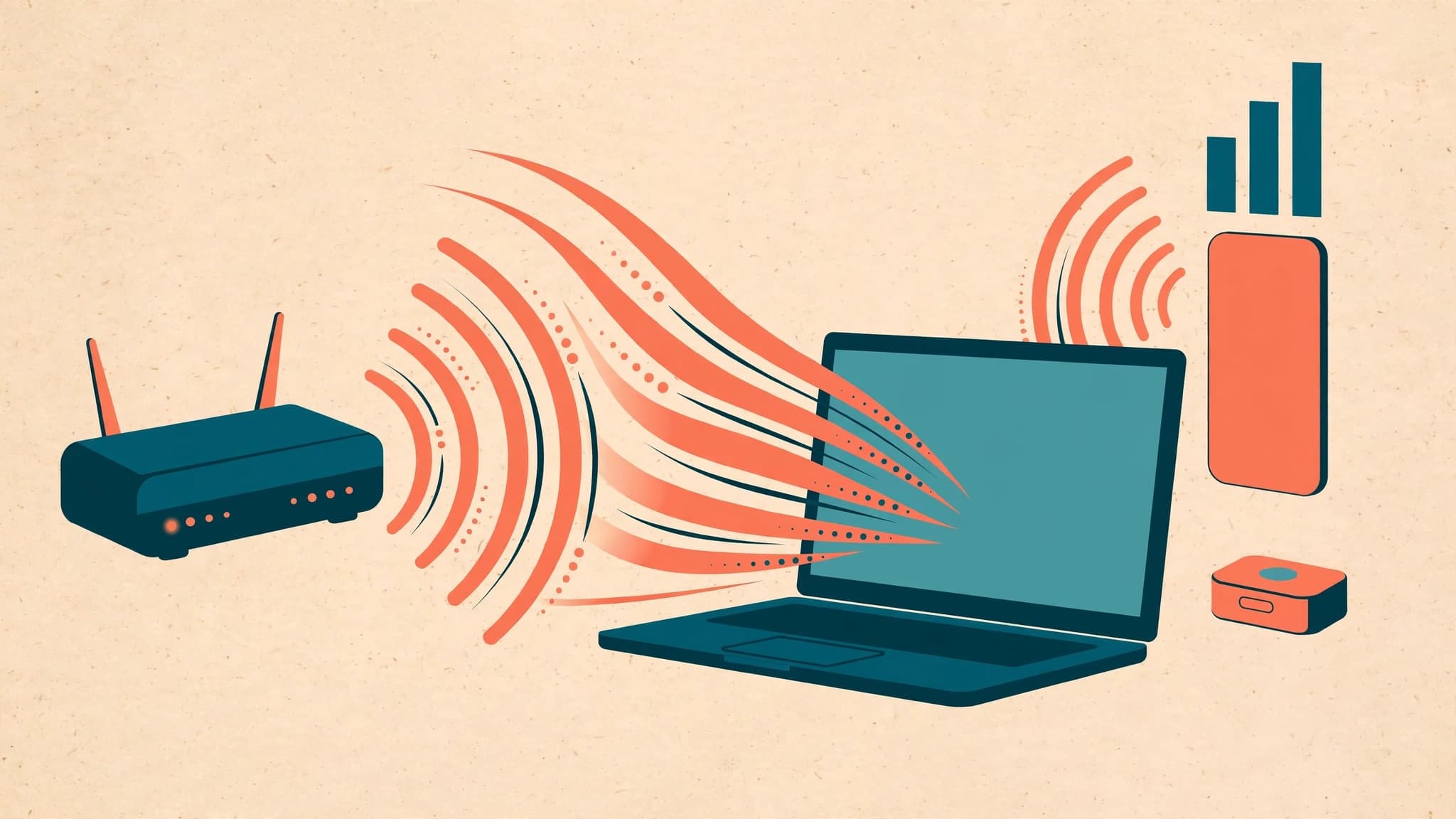
Your degree now depends on connectivity as much as on textbooks. Yet most students pick internet the way they pick phone covers — by advertisement. Here is the practical way.
Figure out your real needs
List what you actually do: online classes, coding (which needs little bandwidth but stable latency), research, streaming. Most student workloads need reliability far more than raw speed.
Broadband vs mobile data
Home broadband (DSL/fiber where available) gives better value for heavy use; mobile data gives flexibility and a built-in backup. Many students sensibly use both: broadband at home, a data package for the road and for outages.
What to actually compare
Coverage in your specific area (ask neighbors, not salespeople), consistency during peak evening hours, fair-use limits buried in the fine print, and customer service responsiveness. Headline speed is the least informative number.
The backup plan
This is the section that saves semesters: keep a mobile data package active for deadline days, download key materials for offline access, and know your nearest alternative (a friend's place, campus lab) before you need it.
Data-saving habits
Download lectures on Wi-Fi, set video defaults to 720p or lower, disable auto-play and cloud photo backups on mobile data. A few settings changes can halve your consumption.
The honest bottom line
No provider is perfect everywhere. Pick based on your area's reality, keep a backup, and spend the money you save on something that matters more than an extra 10 Mbps you will never notice.